

Spotting AI-Generated Fakes

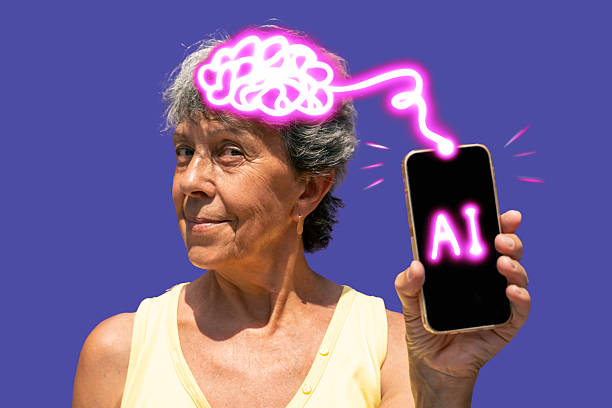
Photo source: Getty Images
Artificial intelligence (AI) creates realistic videos, images, and voices that trick even sharp eyes—but seniors can stay safe with straightforward checks. These tips empower you to verify family calls, social media shares, or news without tech overload.
How Seniors Can Spot AI-Generated Fakes
Spot Visual Red Flags
Look closely at faces in videos or photos for unnatural smoothness, like waxy skin without pores or wrinkles. AI often blurs edges around eyes, teeth, or hair, creating a “plastic” look; real human faces show tiny asymmetries and natural blinks. Check backgrounds for glitches, such as objects that morph or lighting that shifts oddly between subjects.
Listen for Audio Giveaways
AI voices may sound robotic, with flat tones, odd pauses, or lip movements that don’t match words. Today, scammers can use cloned voices for urgent “family emergency” calls and are often demanding instant money; Pause and call back on a known number to confirm.
Use Quick Verification Tricks
Reverse-image search photos via Google (upload and hit search) to trace origins, or ask for a pre-agreed family code word during suspicious calls.
Text and Writing Flags
AI text repeats phrases awkwardly, lacks contractions, or jumps topics without smooth transitions. Overly formal language or generic compliments in messages are dead giveaways—real chats feel personal and varied.
Technology can be a wonderful helper—think friendly reminders, health trackers, and easy chats—but it’s also a tool scammers exploit to create convincing AI-generated fakes that lure us toward lies and traps. Stay sharp with these tips and share them with loved ones.


