Save Your Travel Insurance Details Before You Fly

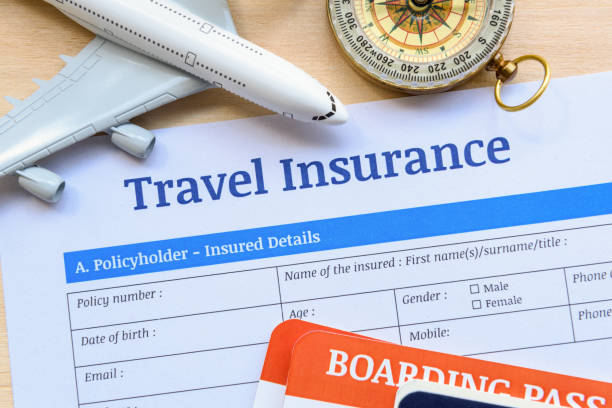
Photo source: iStock
Buying travel insurance is one thing. Being able to actually use it when you need it is another.
Imagine you’re overseas and need medical treatment after an accident. You’re tired, possibly in pain, and trying to work out which number to call, what your policy covers and whether the hospital needs your insurer’s details. If all of that information is sitting in an email you can’t access, the situation becomes harder than it needs to be.
Before leaving New Zealand, find your current travel insurance policy and save the important information somewhere you can access without searching through your inbox. Your policy number, insurer’s name, emergency assistance number, and claims contact details are a good starting point.
Take screenshots of these details and save them on your phone. You could also keep a printed copy with your important travel documents. Having both options is useful if your phone battery dies, is lost, or you can’t get online.
Don’t assume the emergency number on your insurance card is the same as the number you would use for a general enquiry. Check your policy documents and save the appropriate contact details.
It’s also worth reading the section explaining what to do if you need medical treatment overseas. Some insurers require you to contact their assistance team before certain treatment, while emergency situations may have different procedures. The exact requirements depend on your policy, so don’t rely on advice from another traveller.
If you’re travelling with a partner, make sure they know where the information is kept. You may be the person who normally handles travel paperwork, but circumstances can change quickly. They should be able to find the policy and contact the insurer without having to guess where you’ve stored everything.
While you’re organising the information, check that the policy itself covers the dates and activities on your itinerary. Keep the full policy wording available rather than saving only the certificate or payment confirmation.
Hopefully you’ll never need to make that emergency call. But if you do, you won’t want to be searching for a policy number while sitting in an unfamiliar hospital. Five minutes of preparation before you leave can make an unpleasant situation overseas a little easier to manage.