Navigating Blended Families: When “Mine, Yours, and Ours” Gets Complicated Later in Life

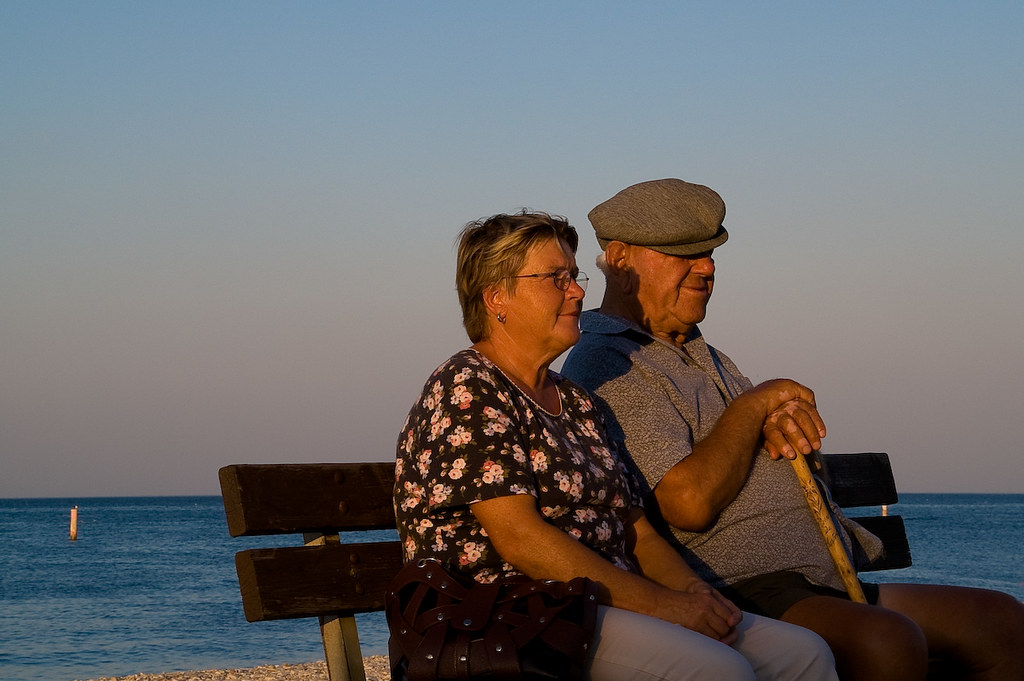
Photo source: openverse, Flickr
A friend wrote recently and said something that stuck: “I didn’t expect to be learning a new family at 68.” That’s blended family life for a lot of folks, not a chapter you signed up for in your twenties but one that shows up after a late-in-life marriage, a second (or third) chance at love, or simply years of step-relationships finally settling into something real.
If you’re navigating this now, here’s the truth nobody tells you upfront: a blended family is messier than the movies and still very much worth it.
It’s Okay That This Is Hard
Let’s start here, because too many articles skip it. Blending a family as an older adult comes with its own particular weight. You’re not just introducing new people; you’re asking grown children to share a parent, grandchildren to make room for new grandparents, and everyone to renegotiate traditions that have been the same for decades.
Add in things like inheritance worries, medical decision-making, or who gets invited to Thanksgiving, and you’ve got a recipe for real tension. None of that means you did something wrong. It means you’re human, and so is everyone else at the table.
Talk About the Practical Stuff Early
This is the part people avoid because it feels unromantic, but it saves enormous heartache down the line. Sit down with your partner and ideally with an estate attorney or financial advisor. Talk through wills, trusts, and who inherits what, power of attorney and healthcare proxy decisions, whether assets stay separate or become shared, and how holidays, milestones, and caregiving responsibilities will be divided.
Let the Grandkids Set the Pace
If grandchildren are part of the picture, give them room to figure out where you fit. Some kids attach quickly to a new step-grandparent; others hang back, especially if they’re loyal to a grandparent who passed away or is no longer in the picture.
Small, steady gestures tend to land better than big ones: remembering a birthday, showing up to a school event, being a calm presence rather than a competing one.
Watch for the Comparison Trap
It’s easy, especially for the adult children involved, to start measuring the new family against the old one. “Mom never did it that way.” “Dad’s new wife isn’t like our mother.” This isn’t usually meanness; it’s grief wearing a disguise. If you notice this happening, whether it’s directed at you or you catch yourself doing it, try responding with curiosity instead of defensiveness: “Tell me more about how things used to be” goes a lot further than “Well, things are different now.”
A Gentle Reminder
You don’t have to force closeness, manufacture harmony, or pretend old grief doesn’t exist in the room. The families that blend well aren’t the ones without friction, they’re the ones who keep showing up for each other through it.
If you’re in the middle of this right now, feeling your way through new in-laws, new grandkids, or a new spouse’s complicated history, you’re doing something genuinely hard and genuinely worthwhile. Be patient with the people around you, and just as patient with yourself.