Manual vs Power Wheelchairs: How to Decide

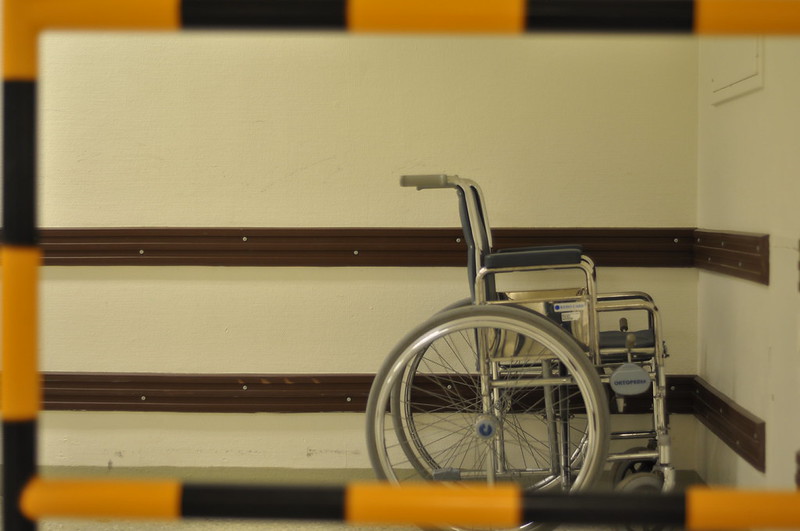
Photo source: openverse, Niklas Morberg, Flickr
Choosing the right wheelchair for seniors is an important decision that affects daily comfort, independence and safety. For many older New Zealanders, mobility challenges arise gradually, and finding the right type of wheelchair can make everyday life significantly easier. The two main options are manual and power wheelchairs, each with their own benefits depending on individual needs, living situation and physical ability.
Manual Wheelchairs
Manual wheelchairs are lightweight, affordable and easy to transport, making them a popular choice for seniors who have some upper body strength or who rely on a carer for assistance. They are simple to fold and fit into most cars, which suits Kiwis who enjoy outings, medical appointments or visits to family. Manual wheelchairs also require little maintenance and tend to be more budget-friendly than powered options, an important factor for many seniors managing costs on a fixed income.
However, manual wheelchairs do require physical effort to propel, either by the user or a support person. For seniors with limited arm strength, joint pain or conditions like arthritis, this can become tiring over time, particularly outdoors or on uneven terrain common in many NZ neighbourhoods.
Power Wheelchairs
Power wheelchairs are battery operated and controlled with a joystick, offering greater independence for seniors who struggle with manual propulsion. They are especially useful for those with limited strength, endurance or coordination, allowing them to move around the home or community without relying on someone else. Power wheelchairs can also handle slopes and longer distances more comfortably than manual models.
The trade-off is size, weight and cost. Power wheelchairs are heavier, harder to transport and generally more expensive to purchase and maintain. They also require regular charging and occasional servicing, which is worth considering for those living alone.
Making the Right Choice
When deciding on a wheelchair for seniors, think about daily living environment, physical ability, budget and how much support is available from family or carers. Seniors living in single-level homes with wide doorways may find power wheelchairs easier to manage, while those who travel frequently might prefer the portability of a manual chair.
Speaking with an occupational therapist or mobility specialist in New Zealand can help identify the safest and most practical option. Many providers also offer trial periods, so seniors can test different models before committing.
Ultimately, the right wheelchair supports comfort, safety and continued independence in everyday life.