Know Which Bills Are in Your Name

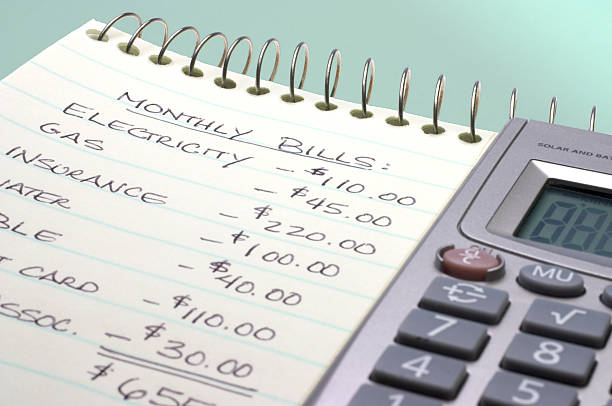
Photo source: iStock
Household bills tend to become part of the background. The electricity gets paid, the internet keeps working, and the rates notice arrives each year. After living in the same home for a long time, it can be easy to forget whose name actually appears on each account.
That detail can matter if your household circumstances change. A partner may have always handled a particular bill, for example, while the account itself is registered in your name. Or you may have assumed a service was shared when the provider only recognises one account holder.
Take some time to make a simple list of your regular household services. Include electricity, gas if applicable, water, internet, phone services, insurance, and other recurring accounts. Beside each one, note the name of the person responsible for the account.
You don’t need to change everything into your name or someone else’s. The point is simply to understand the arrangements. If you discover something that doesn’t look right, contact the provider, and ask what the account currently shows.
This can be particularly useful if one person normally manages all the household administration. If that person becomes unavailable, the other person in the household may suddenly need to deal with providers they have never contacted before.
While you’re making your list, record the provider’s name and the type of service. Avoid writing down passwords or banking security information in an unsecured notebook. Instead, keep sensitive login details in an appropriate password manager or follow your provider’s recommended security practices.
It’s also worth checking how each bill is paid. An account might be in one person’s name but automatically charged to another person’s bank account or card. Knowing both sides of the arrangement can make it much easier to make changes when necessary.
You don’t have to turn this into a major paperwork exercise. A simple household list kept somewhere safe can be enough. Review it whenever you change providers, move house, or make another significant change to your finances.
Most of the time, nobody thinks about whose name is on the power bill. But understanding the details before you actually need them is one of those small pieces of financial housekeeping that can save considerable confusion later.