It’s Never Too Late to Cut Back on Plastic

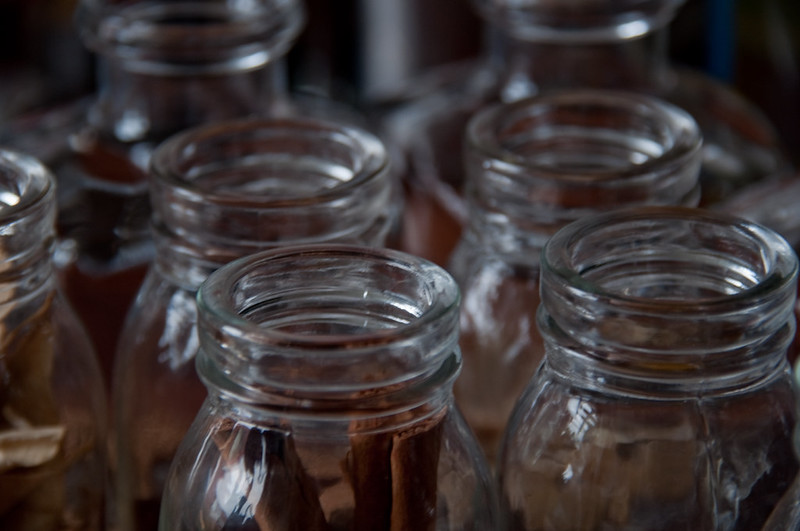
Photo source: openverse, evelien noens, Flickr
Many New Zealanders in their senior years grew up in a time before plastic packaging took over everyday life. Milk came in glass bottles, groceries arrived in paper bags, and reusable containers were the norm rather than the exception. That history makes the shift toward a plastic-free lifestyle feel less like a trend and more like a return to familiar habits.
It is completely natural to wonder whether small changes really make a difference at this stage of life. The truth is, every reduction in plastic use matters, both for the environment and for the wellbeing of future generations, including grandchildren and great-grandchildren. Choosing to live more plastic-free is not about doing everything at once. It is about making steady, manageable adjustments that fit comfortably into daily routines.
A good starting point is the kitchen. Swapping cling film for beeswax wraps or simply covering bowls with a plate can cut down on single-use plastic quickly. Reusable shopping bags, already familiar to many older shoppers, remain one of the easiest ways to avoid unnecessary waste at the supermarket. Choosing loose fruit and vegetables over prepackaged options is another simple step that supports a plastic-free kitchen.
Bathroom habits can also be adjusted with ease. Bar soap instead of bottled body wash, bamboo toothbrushes, and refillable containers for shampoo are widely available across New Zealand stores and pharmacies. Many local retailers now offer refill stations for household cleaning products, making it simple to reduce plastic bottles without changing daily routines significantly.
Community connection plays an important role too. Farmers markets across New Zealand towns and cities often encourage customers to bring their own containers and bags, offering fresh produce with far less packaging than supermarkets. These markets also provide a wonderful opportunity to socialise while shopping sustainably.
For those who enjoy gardening, composting food scraps reduces the need for plastic rubbish bags and enriches soil naturally. Local councils across New Zealand often provide composting guidance and subsidised bins for residents wanting to get started.
There is no pressure to become perfectly plastic-free overnight. Even adopting one or two new habits contributes meaningfully to reducing plastic waste. Age is never a barrier to positive change, and many seniors find that these small adjustments bring a renewed sense of purpose and connection to the environment around them.