Is Overthinking a Normal Part of Ageing — Or Something More?

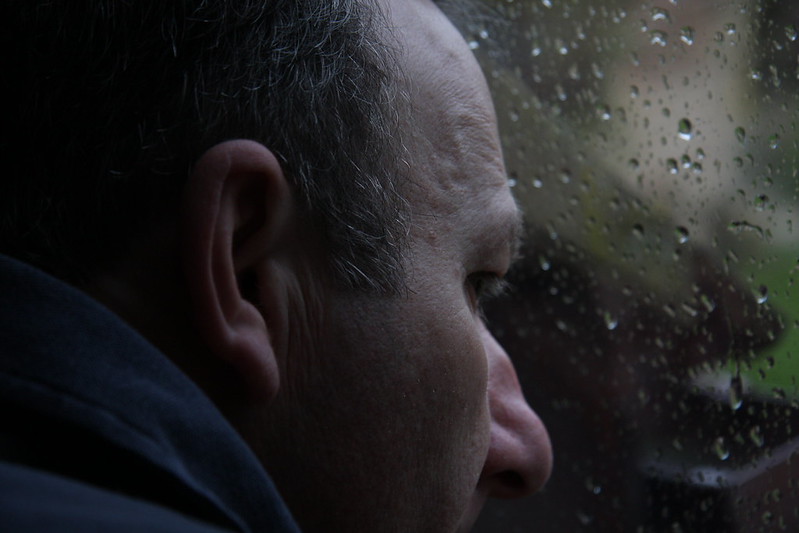
Photo source: openverse, chris.gameweaver, Flickr
Retirement brings more free time, and for many older New Zealanders, that extra space to think can turn into overthinking. If you find yourself replaying conversations, worrying about finances, or dwelling on decisions long after they are made, you are not alone. Overthinking in retirement is a common experience, but understanding why it happens can help you manage it better.
Why Overthinking Happens After Retirement
When daily routines built around work disappear, the mind often looks for something to focus on. Without the structure of a job, some retirees turn inward, replaying past choices or worrying about the future. This shift is a natural response to change, not a personal failing. Big life transitions, including retirement, moving house, or losing a loved one, can all trigger periods of increased reflection and worry.
When It Might Be More Than Normal
While occasional overthinking is common, persistent or distressing rumination can sometimes point to anxiety or low mood. Signs worth paying attention to include trouble sleeping, constant worry that interferes with daily life, loss of interest in activities you once enjoyed, or feeling stuck in negative thought loops that do not ease with time. If these patterns continue for several weeks, it may be worth speaking with your GP or a counsellor. In New Zealand, services such as Age Concern and your local Primary Health Organisation offer support tailored to older adults.
Practical Ways to Manage Overthinking in Retirement
Staying socially connected through clubs, volunteering, or regular catch-ups with whanau and friends can ease the mental load of too much unstructured time. Gentle physical activity, such as walking or gardening, has also been shown to support clearer thinking and better mood. Setting small daily goals or routines can give the mind a healthy focus, replacing worry with purpose. Mindfulness practices, even a few minutes of quiet breathing each day, can help interrupt repetitive thought patterns.
Overthinking in retirement is often a natural adjustment to a major life change, and most people find it eases as new routines take shape. However, if worry becomes constant or starts affecting your wellbeing, reaching out for support is a positive and important step. Ageing well is not about avoiding every worry but about knowing when to ask for help and building habits that support a calmer, more contented retirement.