Is It Worth Paying for an Extended Warranty?

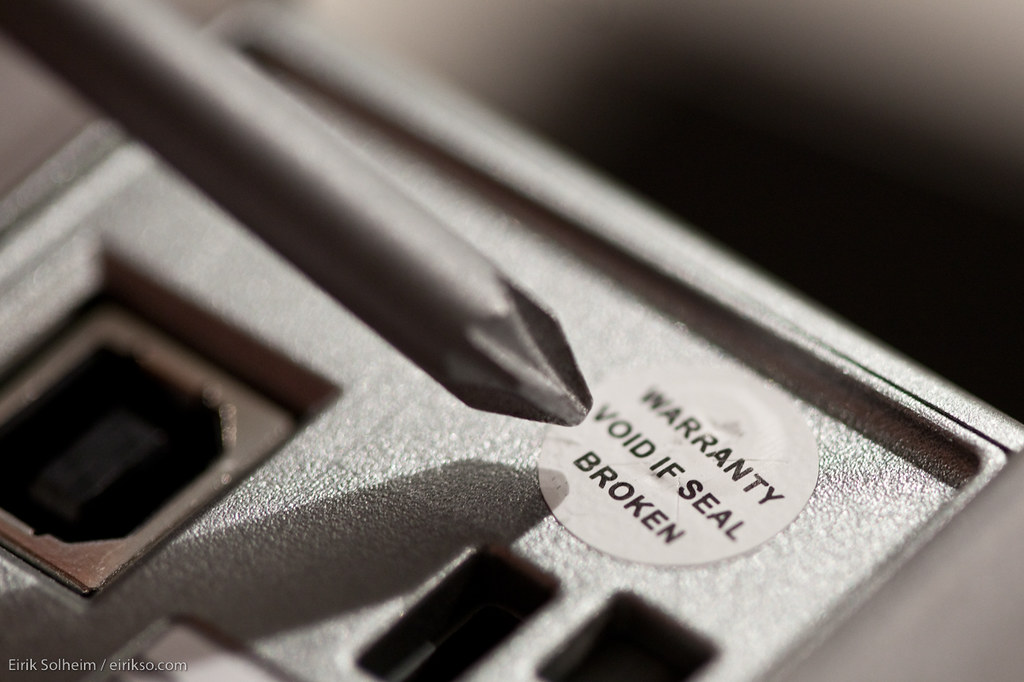
Photo source: Flickr
You’re standing at the checkout, ready to pay for a new television, washing machine, or laptop when you’re asked one final question. “Would you like to add an extended warranty?”
It’s a familiar sales pitch, and it’s often presented as an easy way to protect your purchase. But before agreeing, it’s worth taking a moment to consider whether you’re paying for genuine peace of mind or simply paying twice for protection you may already have.
Many products already come with a manufacturer’s warranty, and under New Zealand’s consumer protection laws, you’re also entitled to certain guarantees that products will be of acceptable quality and last for a reasonable amount of time. In some situations, those rights may offer protection even after the manufacturer’s warranty has expired.
That doesn’t mean extended warranties are never worthwhile. They can make sense for expensive items that are costly to repair, particularly if you’ll be using them heavily for many years. They may also be useful if they include benefits such as in-home servicing or accidental damage cover that isn’t already available elsewhere.
The key is to read the fine print before making a decision. Ask what the warranty actually covers, what it excludes, and whether you’ll need to pay any service fees if you make a claim. It’s also worth checking whether you’re already covered through your home contents insurance or the credit card you used to make the purchase.
If the salesperson says the offer is only available “today,” don’t feel pressured into making an immediate decision. A worthwhile purchase should still make sense after you’ve had time to think about it. Taking a few minutes to compare what’s included can save you money and help you avoid paying for cover you may never need.
An extended warranty isn’t automatically a good deal or a bad one. Like any financial decision, its value depends on what you’re buying, what protection you already have, and how likely you are to use it.