How to Reset Your Sleep Schedule After 65

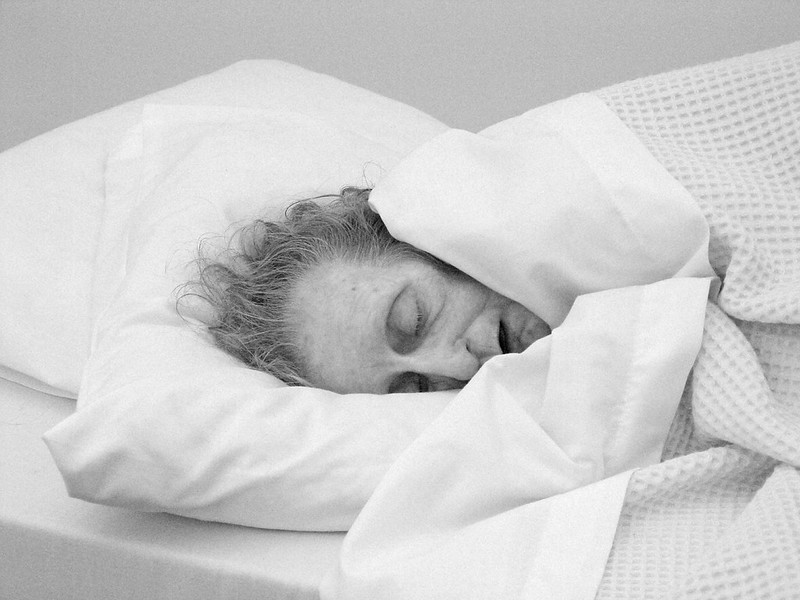
Photo source: openverse, elisachris, Flickr
As we age, our bodies naturally shift the way they manage rest. Many New Zealand seniors find their sleep schedule becomes unpredictable, with early waking, restless nights, or daytime drowsiness. The good news is that a healthy sleep schedule can be restored with a few simple, consistent habits.
Why Sleep Changes After 65
Sleep patterns shift with age due to changes in melatonin production and circadian rhythm. Older adults often feel sleepy earlier in the evening and wake earlier in the morning. This is a normal part of ageing, but when it disrupts daily life, small adjustments can help bring the body back into balance.
Keep a Consistent Routine
One of the most effective ways to reset a sleep schedule is going to bed and waking up at the same time every day, including weekends. This trains the body’s internal clock and makes falling asleep easier over time.
Get Natural Light Each Day
Spending time outdoors in the morning, even a short walk in the garden or along the beach, helps regulate the body’s circadian rhythm. Natural daylight signals to the brain when it is time to be alert and when it is time to wind down.
Limit Naps and Stimulants
Long daytime naps can make it harder to fall asleep at night. If a nap is needed, keeping it under thirty minutes and earlier in the day is best. Reducing caffeine and alcohol in the evening also supports deeper, more restful sleep.
Create a Calming Evening Routine
Gentle activities such as reading, light stretching, or listening to soft music before bed can signal the body that it is time to rest. Keeping the bedroom cool, dark, and quiet also supports better sleep quality.
Stay Active During the Day
Regular gentle exercise, such as walking, swimming, or tai chi, encourages deeper sleep at night. Even light movement earlier in the day can make a noticeable difference to sleep quality.
When to Seek Support
If sleep difficulties continue despite these changes, it may help to speak with a doctor or healthcare provider. They can check for underlying causes and offer guidance suited to individual health needs.
Resetting a sleep schedule after 65 is often about small, steady changes rather than drastic ones. With patience and consistency, many seniors in New Zealand find their way back to restful, restorative nights.