Have You Ever Checked Your Credit Report?

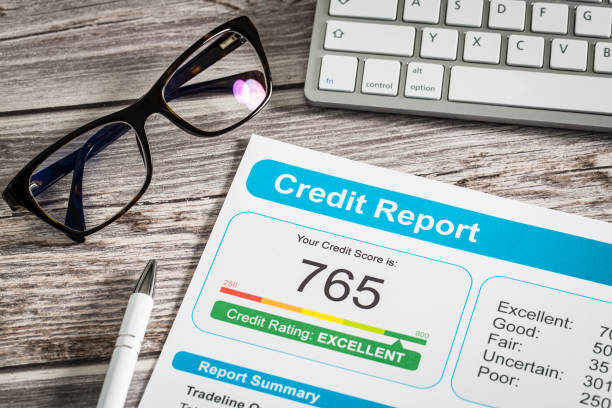
Photo source: iStock
You might assume your credit report is only relevant when you’re applying for a mortgage, personal loan, or credit card. But it’s worth knowing what information is attached to your name even if you haven’t borrowed money for years.
A credit report can contain information about your credit accounts, repayment history, and other details used by credit providers when assessing applications. If something is incorrect, it may affect how a future application is assessed.
Errors aren’t necessarily dramatic. You could find an account listed that you’ve already closed, an incorrect personal detail, or information that doesn’t belong to you. It’s much easier to deal with an error when you discover it yourself rather than when it becomes a problem during an application.
Checking your report can also be useful if you’ve recently moved house or changed your name. Making sure your personal details are accurate gives you a clearer picture of what’s actually recorded about you.
It’s particularly important to investigate anything you don’t recognise. An unfamiliar account or application doesn’t automatically mean you’ve been the victim of identity theft—there can be innocent explanations—but it’s something worth querying rather than ignoring.
New Zealand has several credit reporting companies, and you can request a copy of your credit information from them. If you find inaccurate information, you can contact the relevant credit reporter and ask for it to be corrected.
Don’t confuse your credit report with your bank statement. Your bank statement shows activity on your own accounts, while a credit report provides information about your credit history. Looking at both occasionally can give you a better understanding of your financial records.
There’s also a practical reason to do this before you actually need credit. If you’re planning a significant purchase or financial change, discovering an error months beforehand gives you time to investigate it without an application deadline hanging over you.
You don’t need to check your credit report every month. For most people, an occasional review is enough. Think of it as another piece of financial housekeeping, alongside checking your bank statements and reviewing your insurance.
You may never find anything surprising—and that’s perfectly fine. The point isn’t to look for trouble. It’s to know what information exists about you and have the opportunity to correct it if something isn’t right.