Have you been a victim of economic abuse?

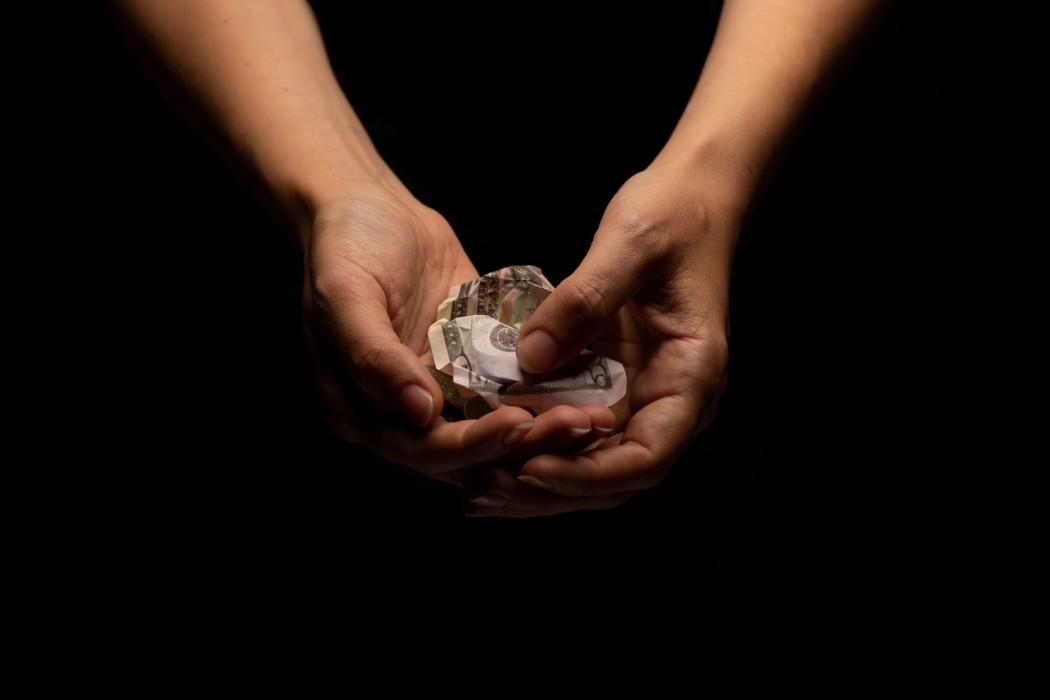
It rarely looks like the abuse people picture. There are no bruises, no raised voices caught by a neighbour, nothing a friend could point to and immediately recognise.
Economic abuse works quietly, through bank accounts, bills, and decisions made without a partner’s knowledge. For many New Zealanders it goes unnamed for years even as it reshapes their entire life.
The Family Violence Act 2018 lists economic abuse, sometimes called financial abuse, as a form of psychological abuse. The Act’s examples include unreasonably denying or limiting someone’s access to financial resources, and preventing or restricting their employment opportunities or access to education.
It can happen inside a marriage, a de facto relationship, a family home or between people who share a household, and it can affect anyone.
Many people experiencing it don’t realise there’s a name for what’s happening to them. That’s part of what makes it so difficult to spot and so hard to leave.
The signs are often subtle at first. A partner might take over all the household finances, insisting it’s simpler that way, before gradually removing the other person’s access to shared accounts altogether.
Wages might be required to be handed over or deposited into an account only one person can access. Someone might find themselves needing to ask permission or provide receipts for every purchase, no matter how small, while having no idea how much debt sits against their own name.
In some cases, a partner is prevented from working entirely, or is sabotaged when they try, through hidden car keys, disconnected childcare or a sudden crisis timed to a job interview.
Debt is another common thread. Loans and credit cards taken out in someone else’s name without their knowledge, or with consent given under pressure or threat, can leave a person facing years of financial consequences long after a relationship has ended.
Child support arrangements are sometimes manipulated as another form of control. None of it needs to look dramatic to be damaging.
A useful gauge is whether someone has real access to the money in their own household accounts, whether they know how much debt exists in their name, and whether they have anything close to an equal say in how money is spent. If the answer to any of those is no, it’s worth taking seriously.
What makes economic abuse particularly corrosive is how long its effects can linger. Even once a relationship ends, a damaged credit history, joint debt or a gap in someone’s employment history can restrict their choices for years.
Women’s Refuge research on economic abuse points to unequal financial power as a barrier to leaving an abusive relationship in the first place. Some of the women it surveyed were homeless for stretches of time after they left, and others uncovered debt they’d been left carrying.
Help does exist, and it doesn’t require having everything figured out before reaching out. Women’s Refuge and Shine work with people experiencing all forms of family violence, including the financial kind, and can help with both immediate safety and longer-term planning.
Good Shepherd New Zealand runs a nationwide, phone-based family violence economic harm service. It works one on one with people to untangle debt, negotiate with creditors, and liaise with banks and government agencies.
Banks themselves are increasingly aware of the issue too. Contacting one directly about a joint account or unexplained debt can be a legitimate first step, particularly during separation.
Recognising economic abuse for what it is can be the hardest part. It so often gets excused as one partner simply being better with money, or written off as a controlling personality rather than a pattern with a name and a legal definition behind it.
Anyone who recognises themselves, a friend or a family member in these signs can contact a family violence service, or call 111 if their safety is at immediate risk. Women’s Refuge is on 0800 733 843, Shine on 0508 744 633, and Good Shepherd’s economic harm service on 0800 466 370, option 4.
Financial independence isn’t a small detail in a relationship. It’s one of the clearest measures of whether a person is truly free to make their own choices, and restoring it is very often the first real step towards safety.