Lessons from the world’s oldest shark

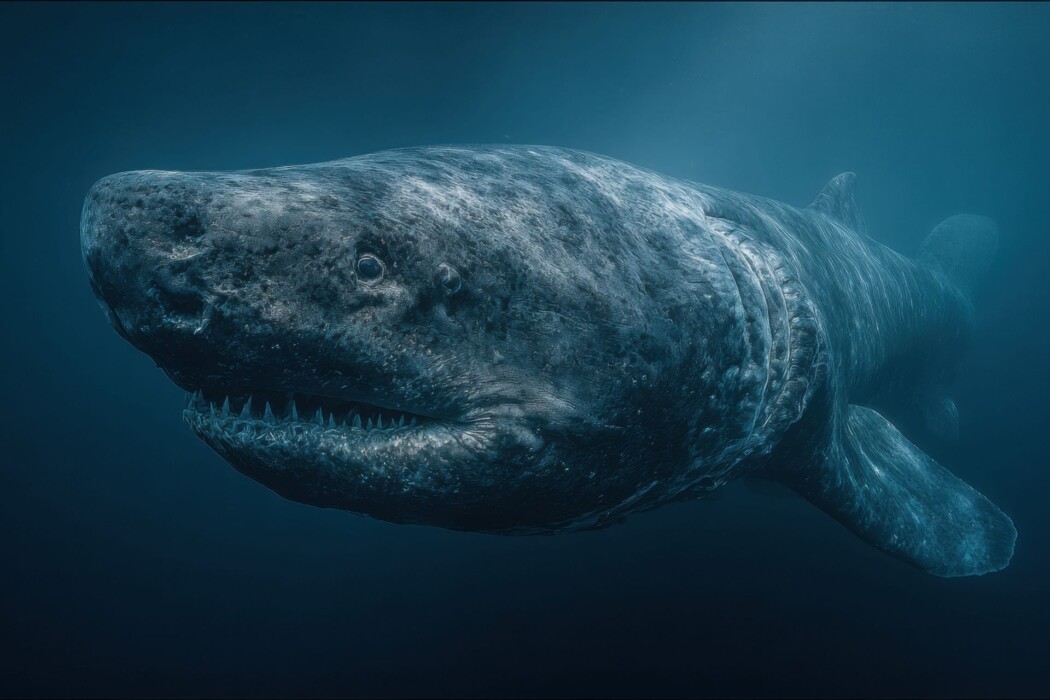
Greenland sharks that were born before New Zealand had a single sheep on it are, in theory, still out there cruising the deep, cold waters of the North Atlantic. Scientists estimate these creatures can live for at least 272 years, with some analyses suggesting a lifespan closer to 400 – making them the longest-lived vertebrate known to science. For a species that spends most of its life moving at little more than walking pace, that longevity has researchers rethinking what actually drives ageing.
The shark’s secret isn’t a superfood or a supplement. It’s cold and slowness. Greenland sharks live in near-freezing water, often below zero degrees Celsius, and their metabolism crawls along in step with the temperature. Growth is glacial too, adding roughly a centimetre a year to their length. Scientists studying the species have linked this extreme metabolic pace to reduced cellular wear, the theory being that a body running at low revs simply accumulates damage more slowly than one sprinting through life.
There’s a lesson there, even if humans can’t exactly relocate to the Arctic seafloor. Chronic stress and constant high alert keep the body’s systems running hot, and mounting research on human ageing points to sustained physiological stress as one of the more reliable accelerants of cellular decline. Calm, steady living genuinely appears to matter at a biological level, not just as wellness folklore.
Then there’s the shark’s tissue itself. Researchers studying the eye lenses of Greenland sharks, which grow in metabolically inert layers much like tree rings, have used radiocarbon dating to pin down their age. What’s notable is how well those tissues hold up over centuries, showing little of the structural degradation seen in shorter-lived species. Longevity researchers have taken interest in the shark’s DNA repair mechanisms and unusually stable proteins, wondering whether some of those cellular maintenance strategies might one day inform human ageing science.
None of this means a slower heartbeat guarantees a longer life. Greenland sharks also benefit from a low-predation, low-injury environment and huge, cold bodies of water that buffer them from many of the traumas that shorten other animals’ lives. But the broader principle, that a body under less strain tends to last longer, holds up remarkably well across species. It’s part of why simple, unglamorous habits like adequate sleep, steady blood sugar, and stress management keep showing up in longevity research as more influential than any single miracle intervention.
There’s also something quietly reassuring in the shark’s story. It doesn’t rush growth, doesn’t burn hot, and doesn’t chase short-term gains at the expense of long-term durability. Ageing well, if the Greenland shark is any guide, has less to do with intensity and more to do with patience. 400 years in the making is a long game by any measure, but the underlying instruction is a simple one: slow down, stay steady, and let the body do what it does best over time.