Every Receipt Doesn’t Need to Be Kept Forever

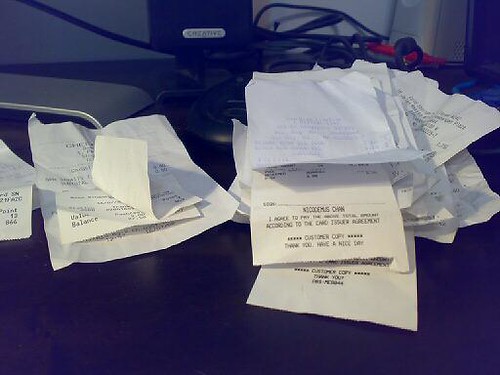
Photo source: Flickr
It’s easy for paperwork to pile up. Receipts find their way into wallets, handbags, drawers, and glove boxes until it’s difficult to know what’s worth keeping and what can safely be thrown away. Spending a little time sorting them can reduce clutter and make important documents much easier to find.
Start by separating receipts into two groups. The first includes those you may need for warranties, tax purposes, insurance claims, or large purchases. The second is made up of everyday shopping receipts that no longer serve a purpose. Once you’ve confirmed the purchase appears correctly on your bank statement, many of these can be discarded.
For larger purchases, consider keeping a digital copy as well. A quick photo or scan stored in a clearly labelled folder can be much easier to find than searching through a stack of fading paper receipts months or years later. Thermal paper often fades over time, so a digital backup can be worthwhile.
If you keep receipts for budgeting, review them regularly instead of letting them accumulate. Looking through them every month can help you understand your spending habits and identify areas where you might save without sacrificing the things you enjoy.
Before throwing receipts away, check whether they contain personal information such as your name, card details, or account number. If they do, tear them up or shred them to help protect your privacy.
Finally, set aside a small folder or envelope for the receipts you genuinely need to keep. Knowing exactly where they are can save time if you ever need to return an item or make a warranty claim.
A simple filing system for your receipts can reduce clutter, protect your personal information, and make everyday paperwork much easier to manage.