Energy-Efficient Laundry Habits That Lower Your Bills

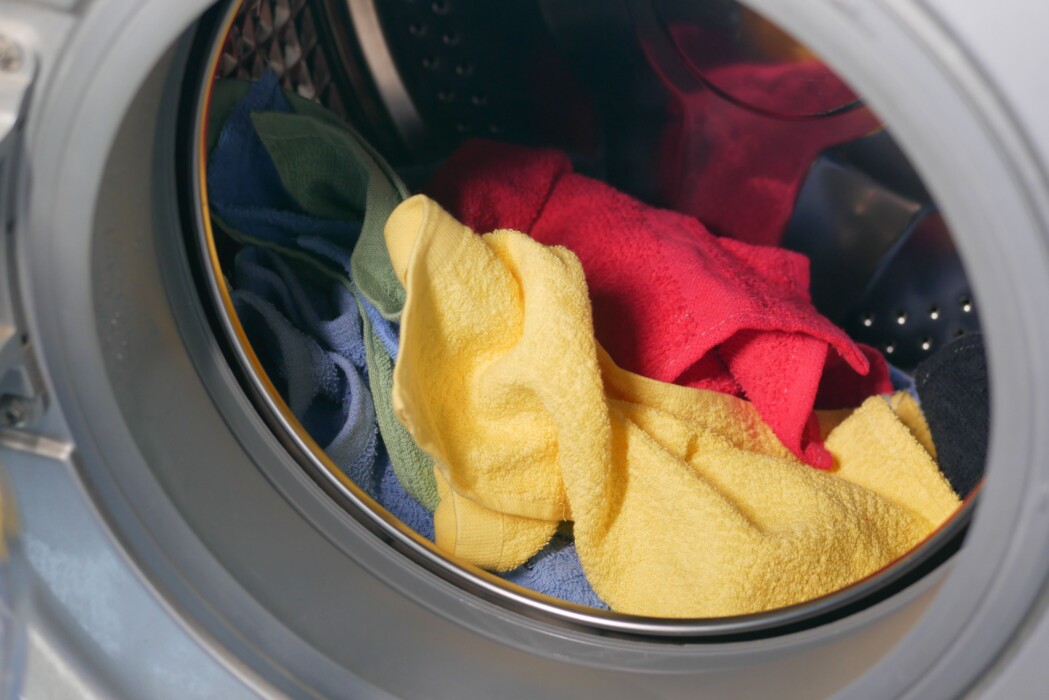
Photo source: openverse, Flickr
For many older New Zealanders on a fixed income, small changes around the home can make a real difference to power bills. Laundry is one area where energy-efficient laundry tips can add up to noticeable savings over a year without sacrificing clean, fresh clothes.
Wash With Cold Water
Heating water is one of the biggest energy costs of doing laundry. Switching to cold water washes for most loads can cut your machine’s energy use significantly. Modern detergents are designed to work well in cold water, so your clothes still come out clean.
Wait for a Full Load
Running the washing machine only when you have a full load, rather than several small loads, makes better use of water and electricity. If you live alone or with a partner, it may help to collect laundry over a few days before washing.
Choose the Right Cycle
Many machines offer an eco or economy setting. These cycles often use less water and lower heat while still cleaning effectively. Taking a few extra minutes is a fair trade for lower running costs.
Dry Naturally When Possible
Clothes dryers use a lot of power. On fine days, hanging washing outside or using an indoor airer near a window can dry clothes just as well. This is especially useful during the warmer months across most of New Zealand.
Clean the Lint Filter
If you do use a dryer, cleaning the lint filter before each load helps it run more efficiently. A blocked filter forces the dryer to work harder and use more energy than necessary.
Service Your Machine
An older washing machine or dryer that has not been serviced can use more power than it should. A simple check now and then can keep appliances running efficiently and may extend their lifespan.
Consider Off-Peak Times
Some power providers offer cheaper rates during off-peak hours. Running the washing machine in the evening or early morning, where safe and convenient, may reduce costs depending on your electricity plan.
Small, consistent changes to laundry habits can lead to steady savings over time. These simple steps are easy to build into a weekly routine and are well suited to a comfortable, cost-conscious lifestyle at home.