Designing Your Bedroom for Better Sleep

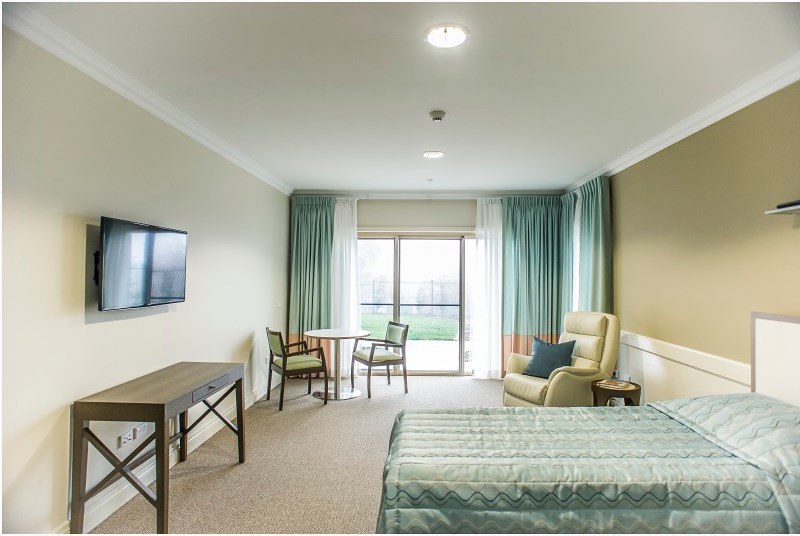
Photo source: openverse, Jindalee Aged Care, Flickr
A good night’s sleep becomes even more important as we age, and the right bedroom design for elderly Kiwis can make a real difference to comfort, safety, and rest quality. Whether you are updating your own space or helping a parent settle into a new home, small changes can lead to better sleep and greater independence.
Start With Lighting
Natural light helps regulate the body’s internal clock, so position the bed near a window if possible. In the evening, soft warm lighting works better than harsh overhead lights, which can be jarring and disrupt melatonin production. A dimmable bedside lamp within easy reach is a simple but effective addition.
Choose the Right Mattress and Bedding
Older adults often experience joint pain or reduced mobility, so a supportive, medium-firm mattress is generally recommended. Breathable natural fibre bedding, such as cotton or wool, helps regulate temperature through New Zealand’s changing seasons, keeping the bedroom cosy in winter and cool in summer.
Prioritise Safety
Falls are a leading concern for older adults, and the bedroom is where many occur. Keep pathways clear of clutter, use non-slip rugs or remove them entirely, and consider installing a nightlight along the route to the bathroom. Bed height matters too. A bed that allows feet to rest flat on the floor when seated makes getting in and out much easier.
Temperature and Air Quality
New Zealand homes can be prone to dampness and cold, particularly in older buildings. Good insulation, a reliable heat source, and proper ventilation all support healthier sleep. Aim for a comfortable, consistent room temperature rather than one that fluctuates through the night.
Reduce Noise and Distractions
A calm, quiet environment supports deeper rest. Heavy curtains can help block outside noise and morning light. Keeping screens and bright electronics out of the bedroom also encourages the mind to wind down naturally.
Personal Touches Matter
Familiar photos, favourite colours, and comfortable seating can make a bedroom feel warm and personal rather than clinical, which is especially important in retirement villages or care settings.
Thoughtful bedroom design for elderly residents is not about a complete overhaul. Often, it is the small, practical adjustments; better lighting; safer layouts; and comfortable bedding that lead to the most restful nights and safer days.