

Beware of E-Waste Scams

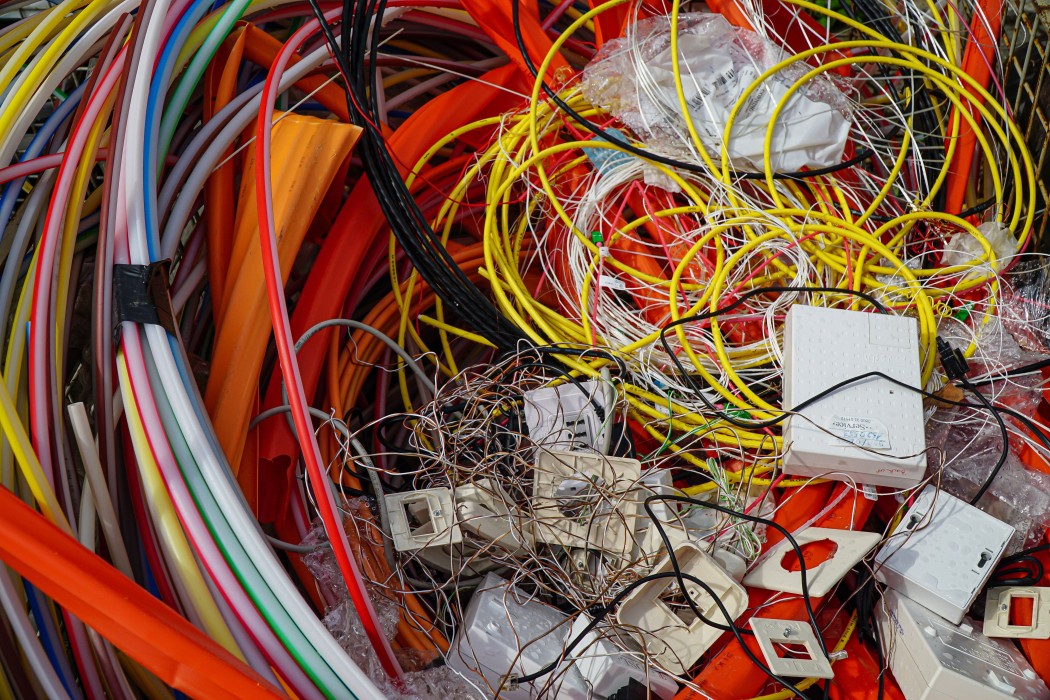
Photo source: Pexels
Clearing out the garage or hallway cupboard often turns up old phones, tired laptops and tangled cables. Getting rid of them responsibly is a good idea, but it can also open the door to an e-waste scam. Scammers know many Kiwis want to do the right thing, and they use that goodwill to take money, personal details or both.
What is an e-waste scam?
An e-waste scam happens when someone pretends to offer a genuine recycling or collection service for electronic waste. It might arrive as a cold call, a letterbox flyer, a text message, a social media post or a knock at the door. The person may promise free pickup, offer to pay you for old devices, or claim there is a new rule you must follow. In reality, they may charge hidden fees, dump the items illegally or collect your devices to steal the information stored on them.
Common warning signs
Be cautious if a collector turns up unannounced or pressures you to hand items over on the spot. Take care with anyone who cannot give a business name, address or phone number you can check. Requests for an upfront fee, card payment or personal details such as your date of birth are also red flags. Messages with links to book a “free collection” deserve extra suspicion, as they may lead to a fake website.
Protect your personal information
Old phones, tablets and computers can hold photos, emails, passwords and banking apps. Before you part with any device, back up what you want to keep, sign out of your accounts and carry out a factory reset. Remove SIM cards and memory cards as well. If you are unsure how, ask a trusted family member or friend, or visit your local SeniorNet learning centre for help.
Safe ways to recycle
Start with your local council, which can usually tell you about approved drop-off points and collection days. Reputable retailers and recycling organisations also run take-back programmes. Always check contact details through an independent source rather than trusting a number in an unsolicited message. If an offer sounds too good to be true, take your time, politely say no and check first.
What to do if you have been scammed
Please do not feel embarrassed, because scammers can be very convincing. Contact your bank straight away if you shared payment details, and report what happened to the authorities. Telling friends and neighbours also helps protect your community.
Stay one step ahead
Recycling old electronics is a wonderful way to look after the environment, and you can do it safely. By staying alert to the signs of an e-waste scam and protecting your data, you can declutter with confidence.








