

The Bank Text That Arrives Out of the Blue

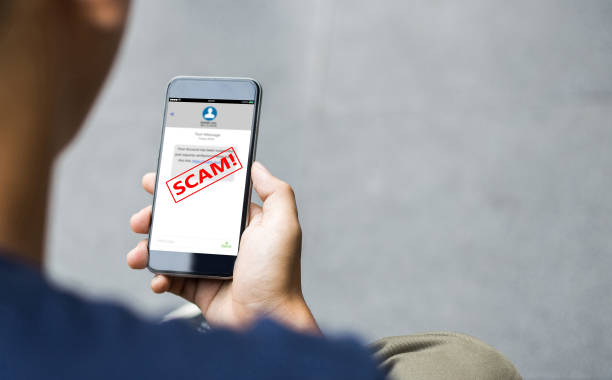
Photo source: iStock
You receive a text saying your bank account has been locked. Another message claims a suspicious payment needs your approval. The wording sounds official, and the message may even appear in the same conversation as genuine bank alerts.
These messages can be convincing because scammers imitate familiar organisations and create a sense of urgency. Their aim is often to get you to click a link, enter your banking details, or reveal a security code before you have time to question the request.
New Zealand’s Netsafe warns that unexpected messages claiming to come from trusted organisations are a common scam tactic. A familiar sender name is not proof that a message is genuine, and scammers may use techniques that make their messages appear more legitimate.
The safest response is to avoid using the link in the text. Instead, open your bank’s official app or type its website address into your browser yourself. If the alert concerns a transaction or account restriction, check directly through that channel or call the bank using the number printed on your bank card or listed on its official website.
Be wary of messages that ask you to enter your PIN, online banking password or one-time security code. Never disclose these details to someone who contacts you unexpectedly, even if they claim to be helping you secure your account.
Look beyond spelling mistakes, too. Scam messages are not always poorly written. Some are polished, personalised, and timed to coincide with genuine-looking activity. The more useful warning signs are the unexpected contact, the pressure to act immediately and the request to follow an unfamiliar link or share sensitive information.
If you have already clicked a link but entered nothing, close the page and avoid downloading anything it offers. If you entered banking details or approved a payment, contact your bank immediately through its official channels and follow its instructions to secure your account. You can also report suspected scams to Netsafe for advice.
A genuine bank alert is worth checking, but it does not require you to trust the text itself. Take a moment to verify the message independently before doing anything with your money or personal information.








