Some Places Still Prefer Cash

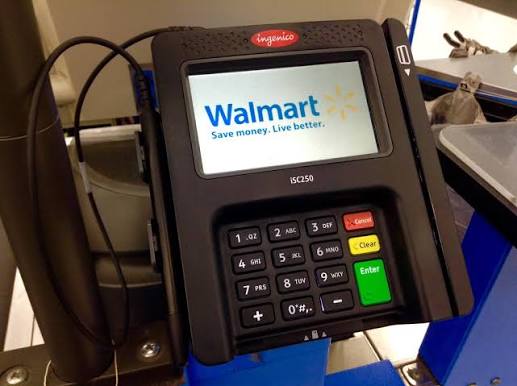
Photo source: Flickr
Tapping your card or phone has become second nature in New Zealand. It is easy to assume you can do the same everywhere you travel. In reality, payment habits can vary considerably between countries, cities, and even individual businesses.
A large hotel may accept contactless payments without a second thought, while a small café, market stall, taxi, or family-run guesthouse may only accept cash. Some businesses may also have minimum purchase amounts for card payments.
Before travelling, find out how common card payments are at your destination. Your accommodation or travel provider can often tell you what to expect, particularly if you are visiting smaller towns or travelling beyond major tourist areas.
It is sensible to carry a modest amount of local currency as a backup. You do not need to walk around with a large amount of cash. The idea is simply to have enough for a taxi, small purchase, or unexpected situation if your card does not work.
Think about your cards, too. Make sure you know which ones you are taking and whether your bank needs to be informed about overseas travel. Keep your bank’s international contact number somewhere separate from your wallet in case a card is lost or blocked.
ATMs can also vary. If you need cash, using an established bank ATM is generally preferable to relying on an unfamiliar machine in a tourist area. Check the fees and exchange rate information shown before confirming a withdrawal.
Most importantly, do not let convenience become dependence. A phone battery can die, a card can be declined, and a payment terminal can stop working. Having one alternative gives you a little breathing room when something goes wrong.
The goal is not to travel with pockets full of notes. It is simply to arrive knowing how people actually pay where you are going. That small bit of preparation can make your first coffee, bus ride, or meal much less complicated.