That Old Chopping Board May Need Replacing

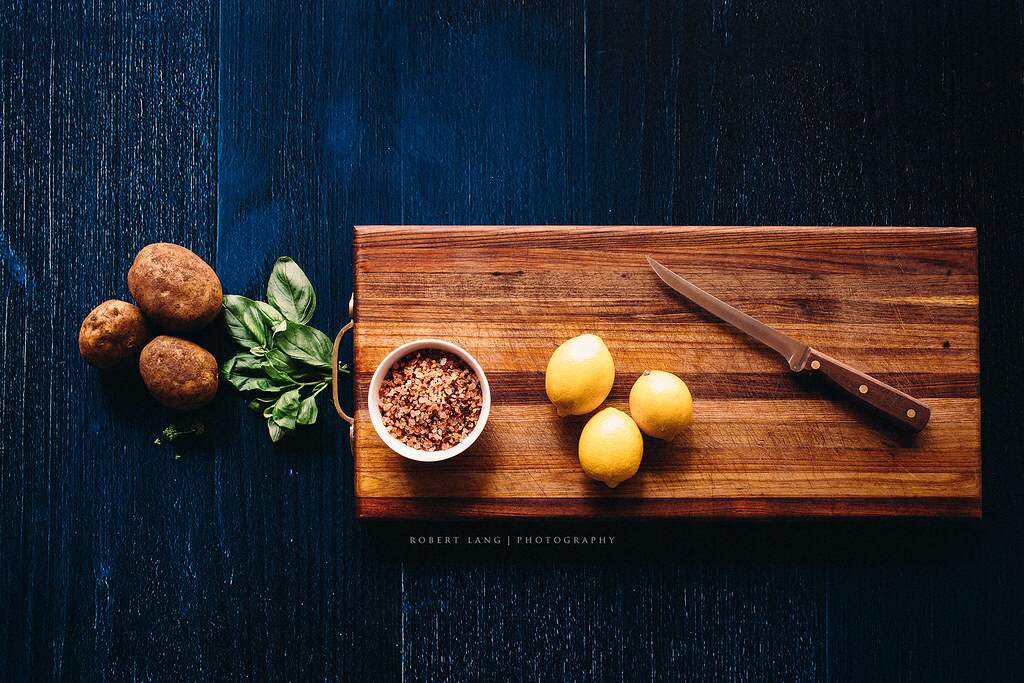
Photo source: Flickr
A good chopping board can become part of the kitchen furniture. You buy one, use it for years, and eventually stop noticing the scratches and knife marks covering the surface. If it still sits firmly on the bench, it can seem perfectly good.
But there comes a point when a chopping board is simply too worn to be practical. Deep grooves, cracks, and splits can make the surface harder to clean, particularly when food particles become lodged in places your sponge cannot easily reach.
Take a close look at yours rather than judging it from across the kitchen. Run your fingers over the surface. Are there deep channels from years of chopping? Is the board warped so it rocks while you are cutting? Are there cracks around the edges or areas that remain stained despite thorough washing?
Wooden boards can sometimes be sanded down and refinished, depending on their condition. A lightly worn board does not automatically need to go in the rubbish. But once the surface has become deeply damaged or the board is splitting, replacement is usually more practical.
Plastic boards have their own warning signs. Deep knife grooves can accumulate over time, and a board that has become heavily scarred may be difficult to clean effectively. If you have a dishwasher-safe board, follow the manufacturer’s care instructions rather than assuming every plastic board can withstand repeated high temperatures.
It is also worth thinking about how you use your boards. If the same board handles raw meat, vegetables, bread, and everything else, having separate boards for different types of food can make kitchen hygiene easier to manage. You do not need a collection of ten boards. Two or three clearly designated ones can be enough.
Do not wait until a board physically breaks in half before replacing it. A chopping board is one of those kitchen tools that works quietly in the background, so its condition is easy to overlook.
The next time you are chopping vegetables, take a proper look at the board underneath them. If it is covered in deep grooves, has started splitting or no longer sits securely on the bench, it may have earned its retirement. After years of faithful service, sometimes the most useful thing you can do for an old kitchen favourite is replace it.