Electric vs. Manual Toothbrushes: What’s Right for You?

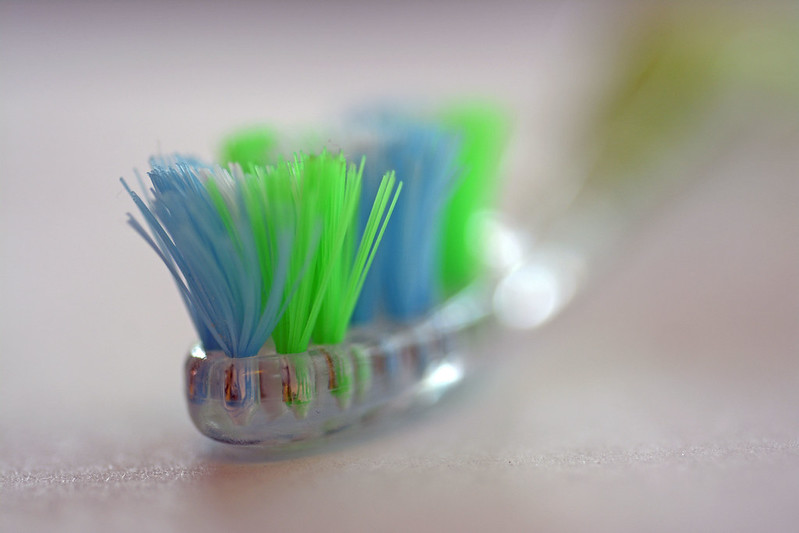
Photo source: openverse, Karin Brånebäck, Flickr
Choosing between an electric toothbrush and a manual one is a common question for seniors across New Zealand who want to protect their teeth and gums as they age. Both options can support good oral hygiene, but understanding the differences can help you make the right choice for your daily routine.
An electric toothbrush does much of the hard work for you. The rotating or vibrating bristle head removes plaque more effectively than manual brushing for many people, since it maintains a consistent speed and pressure. This can be especially helpful for seniors managing arthritis, reduced grip strength or limited dexterity, as the toothbrush requires less wrist movement to achieve a thorough clean. Many models also include built-in timers, encouraging a full two minutes of brushing, which is often longer than people brush by hand.
A manual toothbrush, on the other hand, is simple, affordable and easy to travel with. It requires no charging or batteries and gives you full control over pressure and technique. For seniors who already have a confident brushing routine and good hand mobility, a manual toothbrush can still deliver excellent results when paired with proper technique and regular replacement of the brush head.
When deciding which is right for you, consider your daily comfort and any physical limitations. Seniors with joint pain, tremors or reduced hand strength often find an electric toothbrush easier and more comfortable to use consistently. Those who prefer a straightforward routine without technology may be perfectly happy continuing with a manual brush, provided they brush thoroughly twice a day.
Cost is another factor. Manual toothbrushes are inexpensive and widely available at supermarkets and pharmacies throughout New Zealand. Electric toothbrushes involve a higher upfront cost and ongoing expense for replacement heads, though many find the investment worthwhile for the improved cleaning results and ease of use.
Whichever option you choose, the most important factor is consistency. Brushing twice daily, using fluoride toothpaste and visiting your dentist regularly all play a bigger role in oral health than the type of brush itself. If you are unsure which option suits your needs, speak with your dentist or oral health professional, who can offer guidance based on your individual dental health and any mobility considerations.