The Hidden Cost of Ageism

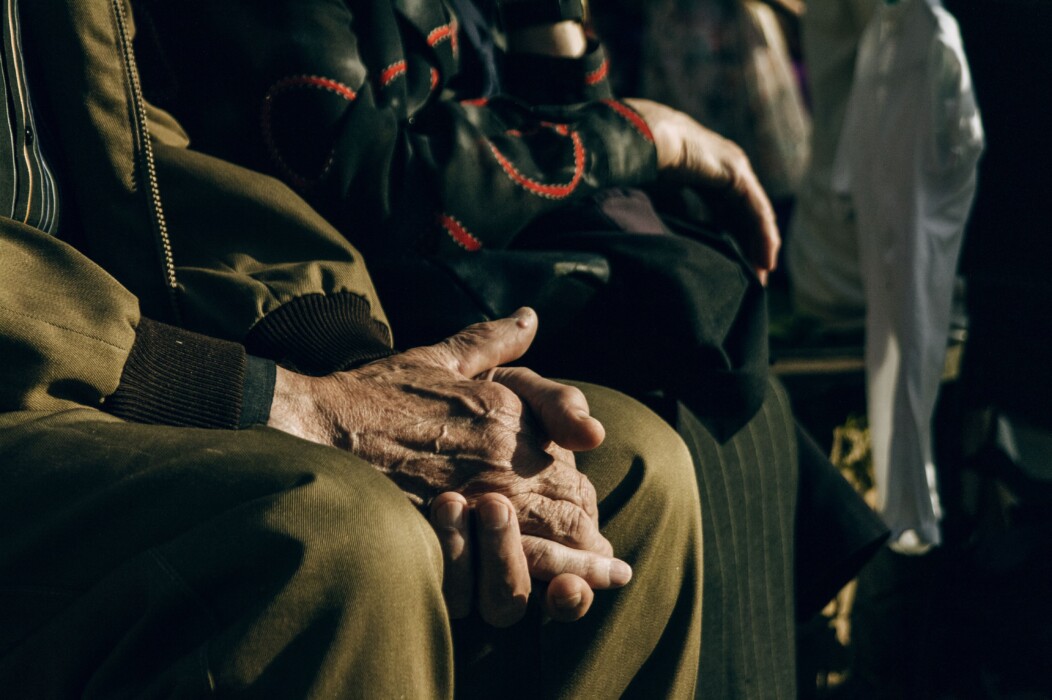
Photo source: openverse, Plato Terentev
Ageism is one of the most overlooked forms of discrimination in New Zealand, yet its effects run deep. From missed job opportunities to being talked over in a doctor’s appointment, ageism shapes how older adults are treated in ways that are often subtle but deeply damaging. For many Kiwi seniors, understanding ageism is the first step toward challenging it.
What Ageism Really Looks Like
Ageism is not always loud or obvious. It can appear as a younger colleague assuming an older worker cannot learn new technology or a family member making decisions on behalf of a senior without asking. It can show up in advertising that only features young faces or in healthcare settings where symptoms are dismissed as “just part of getting older.” These everyday moments add up, reinforcing the idea that ageing is something to be pitied rather than respected.
The Real Cost
The cost of ageism is not just emotional. Studies consistently link ageism to poorer physical and mental health outcomes, including higher rates of depression, reduced mobility and even shorter life expectancy. Financially, ageism can push older New Zealanders out of the workforce earlier than they wish, reducing income and retirement savings. Socially, it can lead to isolation, as older adults are excluded from conversations, activities or communities that assume youth is the norm.
Why It Matters for New Zealand
With New Zealand’s population steadily ageing, addressing ageism is not just a personal issue but a national one. Seniors contribute significant value through work, volunteering, caregiving and community involvement. Dismissing their capabilities because of age weakens the wider social and economic fabric.
Pushing Back Against Ageism
Recognising ageism is powerful. Seniors and their families can challenge stereotypes by speaking up when age-based assumptions occur, seeking out age-friendly services and workplaces, and supporting organisations that advocate for older adults’ rights. Staying socially active, informed and engaged also helps counter the narrative that ageing means slowing down or stepping back.
Ageism carries a hidden cost that affects health, finances and dignity. By understanding how ageism operates and actively resisting it, New Zealand seniors can help build a society that values people at every stage of life, not just the young.