Are You Ready to Go Cashless?

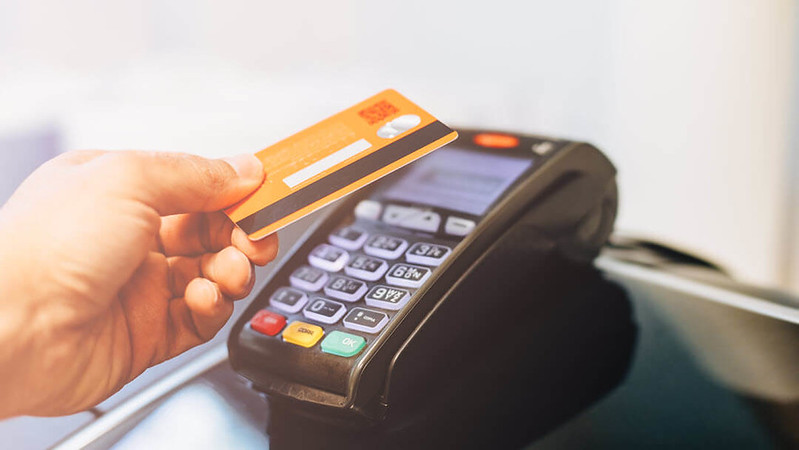
Photo source: openverse, Kevin Kogler, Flickr
New Zealand is moving steadily towards a cashless society. Many shops, cafes, and even market stalls now prefer card or phone payments over coins and notes. For seniors, this shift can feel both convenient and a little overwhelming. So how do you know if you are ready to go cashless, and what should you consider before making the switch?
What Does Going Cashless Mean?
Going cashless simply means relying on electronic payments, such as debit cards, credit cards, or mobile payment apps, instead of physical money. In New Zealand, contactless “tap and go” payments have become the norm at supermarkets, pharmacies, and public transport.
The Benefits for Seniors
Cashless payments offer real advantages. There is no need to carry large amounts of cash, which reduces the risk of theft or loss. Transactions are quick and often automatically recorded, making it easier to track spending and manage a budget. Many banks also offer statements that clearly show where money has gone, which can be helpful for those managing pensions or fixed incomes.
Things to Consider Before Switching
While cashless living has benefits, it is important to weigh a few things first. Some seniors feel more comfortable handling physical money, especially when budgeting for smaller everyday expenses. It is also worth checking that your local shops, doctors, and services actually accept card payments, as some smaller or rural businesses may still prefer cash.
Online safety is another important factor. Learning to recognise scam calls or messages asking for banking details is essential before relying more heavily on digital payments. Many banks in New Zealand offer free workshops or guides specifically designed to help seniors use online banking and cashless tools safely.
Making the Transition Comfortably
You do not need to abandon cash completely. A gradual approach often works best. Start by using your card for small purchases, like a coffee or groceries, while keeping some cash on hand for emergencies or personal preference. Ask family members or your bank for guidance if you are unsure about setting up mobile payment apps or online banking.
Going cashless is a personal choice, not an obligation. Whether you fully embrace digital payments or continue using a mix of cash and cards, the most important thing is feeling confident and secure with your chosen method. Take your time, ask questions, and choose what suits your lifestyle best.