When Gambling Stops Being Fun

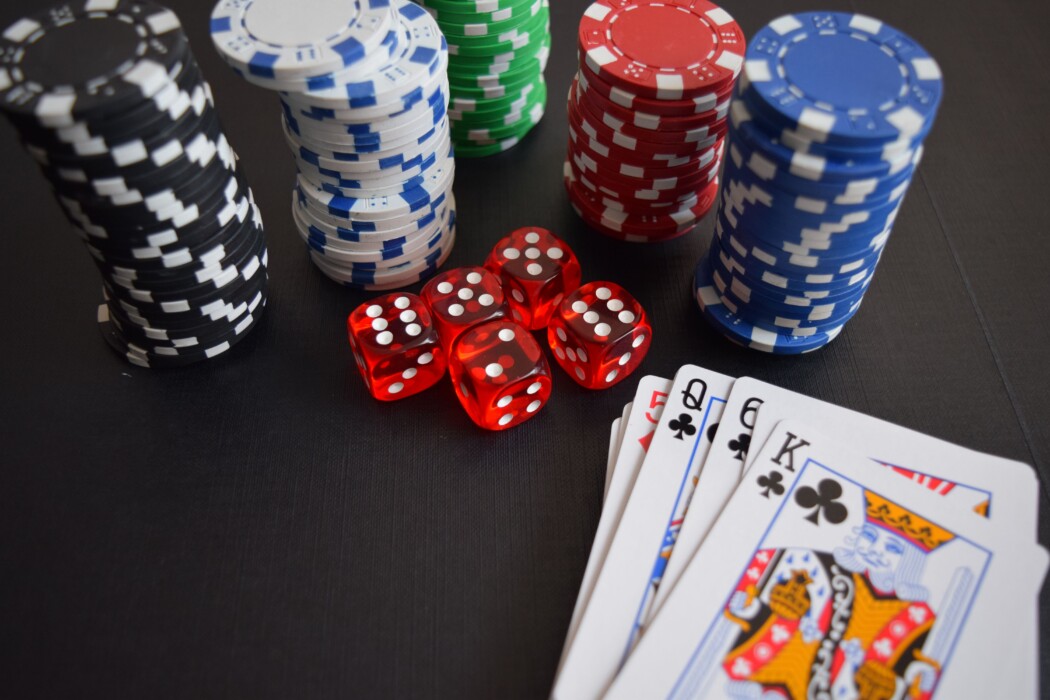
Photo source: Pexels
For many older New Zealanders, a flutter on the pokies, a weekly Lotto ticket, or an afternoon at the TAB is simply a social pastime. It can be a way to catch up with friends, pass the time, or enjoy a bit of excitement. But for some, this harmless enjoyment can quietly turn into something more serious. Understanding gambling addiction NZ seniors experience is an important step toward protecting your well-being and that of your loved ones.
How Gambling Can Change Over Time
Gambling often starts as light entertainment. Over time, though, it can shift into a habit that feels difficult to control. This change can be gradual, which makes it hard to notice until finances, relationships, or mental health begin to suffer.
Signs to Watch For
There are a few common signs that gambling may no longer be fun. These include spending more money or time than planned, feeling anxious or irritable when not gambling, chasing losses in hopes of winning them back, and hiding gambling habits from family or friends. Retirement, loneliness, or health changes can sometimes make gambling feel like a bigger part of daily life than intended, which is worth paying attention to.
Why It Matters More Later in Life
Many seniors live on fixed incomes such as superannuation, which means losses can have a greater impact than they might have earlier in life. Gambling problems can also affect mental health, sleep, and family relationships, so recognising the signs early can make a real difference.
Getting Support in New Zealand
The good news is that help is available and free. The New Zealand Ministry of Health funds several organisations offering confidential support, including the Gambling Helpline, which can be reached at any time. Local community services, GPs, and budgeting advisors can also help with both the emotional and financial side of gambling problems.
A Gentle Reminder
Gambling can still be enjoyed safely by many people. The key is noticing when it stops feeling fun and starts feeling necessary. If you or someone you know is struggling, reaching out for support is a sign of strength, not weakness. Help is available, and recovery is possible at any age.