The Hidden Benefits of Working Later in Life (Beyond the Paycheck)

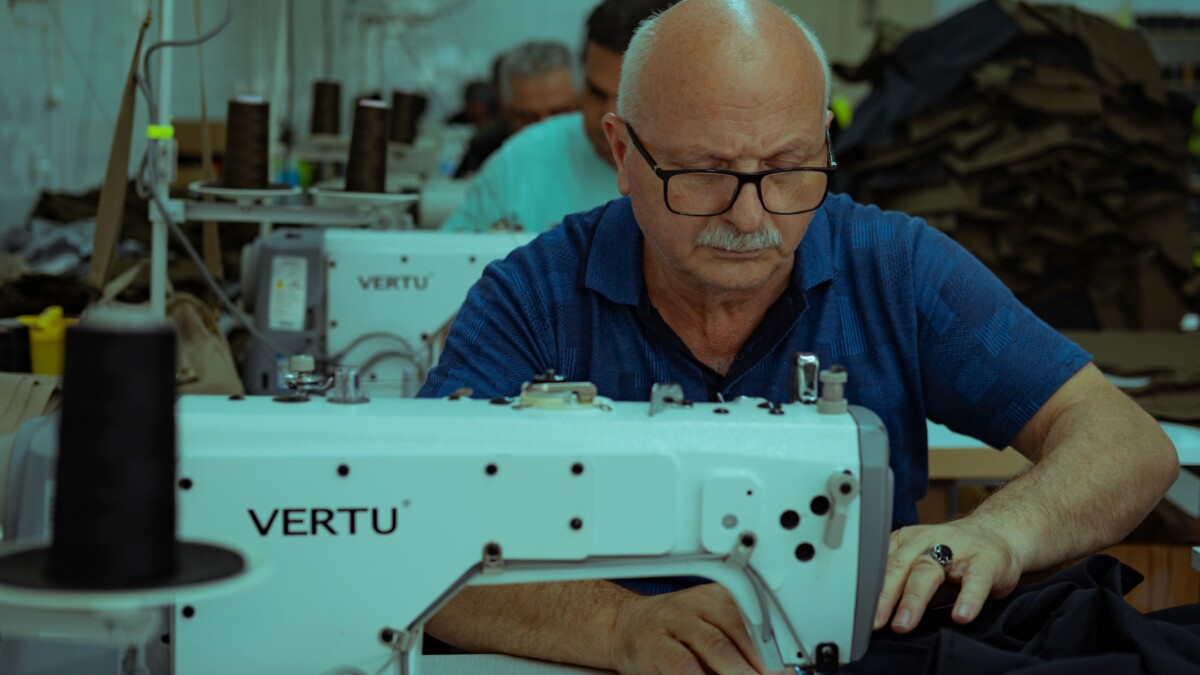
Photo source: openverse, Cemrecan Yurtman
For many Kiwis, retirement no longer means stepping away from work altogether. A growing number of older New Zealanders are choosing to stay employed, whether full time, part time, or through flexible arrangements. While extra income is often the first reason that comes to mind, being a working senior offers benefits that go far beyond the pay packet.
Keeping the Mind Active
Work naturally challenges the brain. Problem solving, learning new tools, and interacting with colleagues all help keep cognitive skills sharp. Research consistently links continued mental engagement with a lower risk of memory decline, making paid work a practical way to support long term brain health.
A Sense of Purpose
Many working seniors describe their job as a source of identity and daily structure. Having somewhere to be and something meaningful to contribute can boost mood and reduce feelings of aimlessness that sometimes follow retirement. This sense of purpose often carries into other areas of life as well.
Staying Socially Connected
Workplaces provide built in opportunities for conversation, teamwork, and friendship. For older adults, especially those living alone, this regular social contact can help ward off isolation and loneliness, two factors strongly linked to poorer physical and mental health.
Physical and Mental Wellbeing
Staying active, whether through desk based tasks or more hands on roles, supports overall fitness and mobility. Many working seniors also report better sleep patterns and steadier moods compared to those who stop working abruptly.
Passing on Experience
Older employees bring decades of knowledge that younger colleagues value. Mentoring and sharing expertise allows a working senior to leave a lasting impact on their workplace and industry, while also gaining fresh perspectives from younger generations in return.
Financial Flexibility Without Full Dependence
Beyond topping up superannuation, continued income gives older New Zealanders more freedom to travel, support family, or simply enjoy life without financial pressure. It also allows for a more gradual transition into full retirement rather than an abrupt change.
Final Thoughts
Choosing to remain a working senior is about more than money. It supports mental sharpness, social connection, physical wellbeing, and a continued sense of purpose. For many older New Zealanders, staying in the workforce, even in a reduced capacity, offers a fuller and more balanced later life.