Disaster Preparedness for Seniors Living Alone in New Zealand

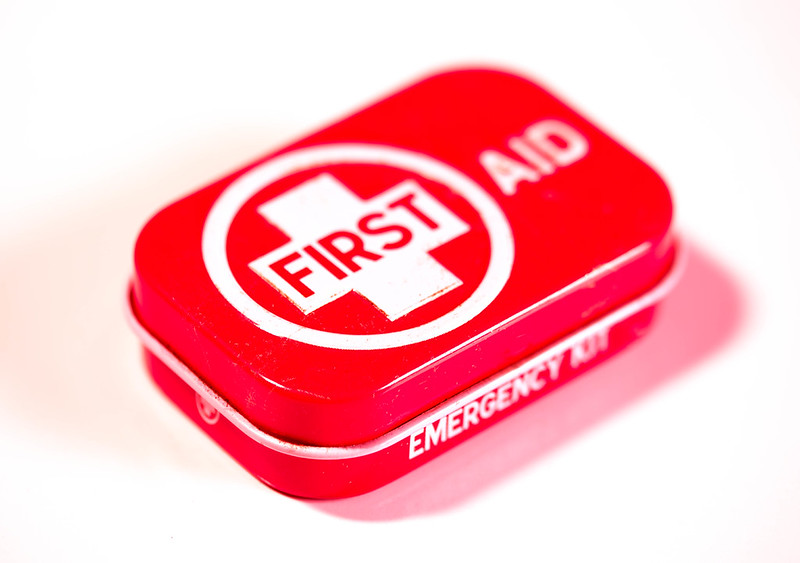
Photo source: openverse, Willy 1943, Flickr
New Zealand’s landscape is beautiful, but it also comes with real risks. Earthquakes, floods, storms and volcanic activity are all part of life here. For older adults living alone, disaster preparedness for seniors is not just a good idea; it is essential. A little planning now can make a huge difference when an emergency strikes.
Build a Simple Emergency Kit
Every home should have a basic emergency kit ready to go. This should include enough drinking water for at least three days, non-perishable food, a torch, spare batteries, a portable radio and any medications you take regularly. Keep copies of important documents such as identification, insurance details and a list of current prescriptions in a waterproof bag. Store the kit somewhere easy to reach, such as a hallway cupboard or under the stairs.
Create a Communication Plan
Living alone means it is important to have a clear plan for staying in touch during a crisis. Choose a trusted family member, friend or neighbour who can check in on you regularly. Share your emergency plan with them so they know where to find you and what to do if they cannot reach you by phone. Consider joining a local civil defence group or community network, many of which offer welfare checks for older residents during emergencies.
Know Your Home and Neighbourhood
Take time to understand the risks specific to your area, whether that is coastal flooding, slips or seismic activity. Identify the safest spot in your home during an earthquake and practise getting there quickly. If you use mobility aids, keep a torch and sturdy shoes near your bed in case you need to move at night. Knowing your neighbours can also make a real difference, as they are often the first people able to help.
Keep Health Needs in Mind
Disaster preparedness for seniors should always factor in health and mobility. Keep a small supply of essential medication on hand, along with copies of prescriptions. If you rely on medical equipment that needs power, talk to your provider about backup options in case of an outage.
Being prepared does not mean living in fear. It means having the confidence and peace of mind to face whatever comes, on your own terms.