Low-Sodium Cooking Tips That Don’t Sacrifice Flavour

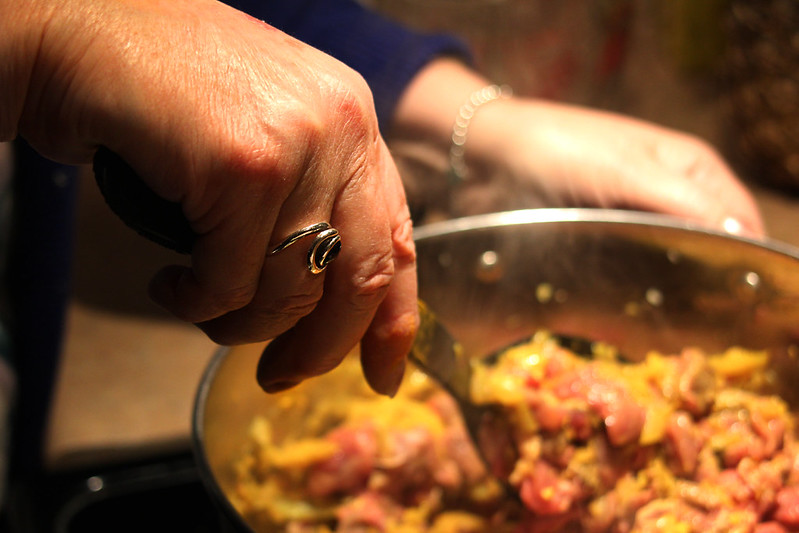
For many older adults, cutting back on salt is one of the most common pieces of health advice from doctors, especially for those managing high blood pressure or heart conditions. But low-sodium cooking doesn’t have to mean bland, boring meals. With a few smart adjustments, you can keep your favourite dishes just as satisfying while giving your heart a break.
Build Flavour With Herbs and Spices
Salt is often used as a shortcut for flavour, but it isn’t the only way to make food taste good. Fresh or dried herbs like basil, rosemary, thyme, and dill can transform a simple dish. Spices such as garlic powder, smoked paprika, cumin, and black pepper add warmth and depth without adding sodium. Keep a small rotation of these on your counter so reaching for flavour becomes second nature.
Let Citrus and Vinegar Do the Work
A splash of lemon juice, lime juice, or a vinegar like balsamic or apple cider can brighten a dish in ways salt never could. Acidity wakes up the taste buds and makes vegetables, fish, and grains taste fresher and more vibrant. Try squeezing fresh lemon over roasted vegetables or fish right before serving.
Cook From Scratch When You Can
Many older adults rely on canned soups, packaged sauces, and frozen meals for convenience, but these are often loaded with hidden sodium. Cooking simple meals from scratch, even just a few times a week, gives you full control over what goes into your food. Soups, stews, and sauces are easy to prepare in larger batches and freeze for later.
Rinse Canned Foods
If canned beans, vegetables, or tuna are part of your routine, rinsing them under cold water for a minute can wash away a significant portion of the added sodium. It is a quick step that makes a real difference.
Read Labels Carefully
Sodium can hide in unexpected places like bread, cereal, and salad dressing. Comparing labels between similar products often reveals big differences, so a little label reading goes a long way toward lowering your daily intake.
Ease Into It
Taste buds adjust over time. If food feels underseasoned at first, give it a few weeks. Most people find that their preference for salt fades and other flavours become more noticeable and enjoyable.
Low-sodium cooking is not about giving up taste. It is about discovering new ways to bring flavour to the table while supporting a healthier heart.