Why Protein Needs Change as We Age (and How to Get Enough)

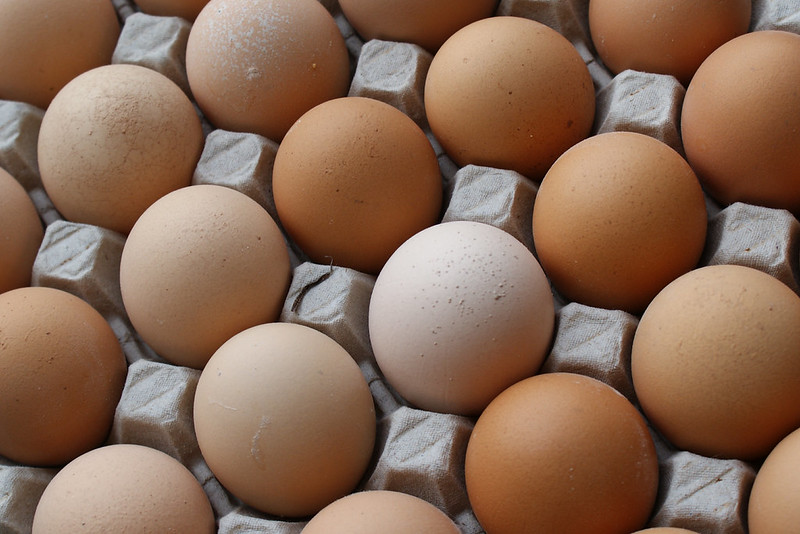
Photo source: openverse, Pietro Izzo, Flickr
If you have noticed that maintaining strength and energy feels harder than it used to, you are not imagining things. One of the biggest reasons is protein, and the truth is that most older adults need more of it than they think, not less.
Why the Need Increases
Starting around age 30, the body naturally begins to lose muscle mass, a process called sarcopenia. This loss speeds up significantly after 60. At the same time, the body becomes less efficient at using the protein we eat to build and repair muscle, a phenomenon researchers call anabolic resistance. In simple terms, older muscles need a bigger protein signal to do the same job that once required less.
On top of that, many seniors unintentionally eat less protein overall. Appetite naturally decreases with age, dental issues can make meat and other tough foods harder to chew, and some people mistakenly believe they should scale back protein for health reasons. The combined effect is a slow, steady loss of muscle, strength, and independence.
Why This Matters
Muscle is not just about looks or athletic performance. It supports balance, helps prevent falls, keeps joints stable, and plays a role in immune function and metabolism. Preserving muscle mass is one of the most important things a senior can do to stay independent and active.
How Much Protein Is Enough
While general guidelines often suggest around 0.8 grams of protein per kilogram of body weight, many experts now recommend closer to 1.0 to 1.2 grams per kilogram for healthy older adults, and even more for those recovering from illness or surgery. For a 150-pound person, that translates to roughly 70 to 90 grams of protein spread throughout the day.
Simple Ways to Get More
Spreading protein evenly across meals, rather than saving it all for dinner, helps the body use it more effectively. Eggs, Greek yoghurt, cottage cheese, fish, poultry, beans, and lentils are all excellent, easy-to-chew options. Protein shakes or powders can also help fill gaps on days when appetite is low.
Talk to your doctor or a dietitian before making major changes, especially if you have kidney concerns. With a few thoughtful adjustments, getting enough protein can become a simple, powerful habit that supports strength and independence for years to come.