Choosing the Right Bike Later in Life

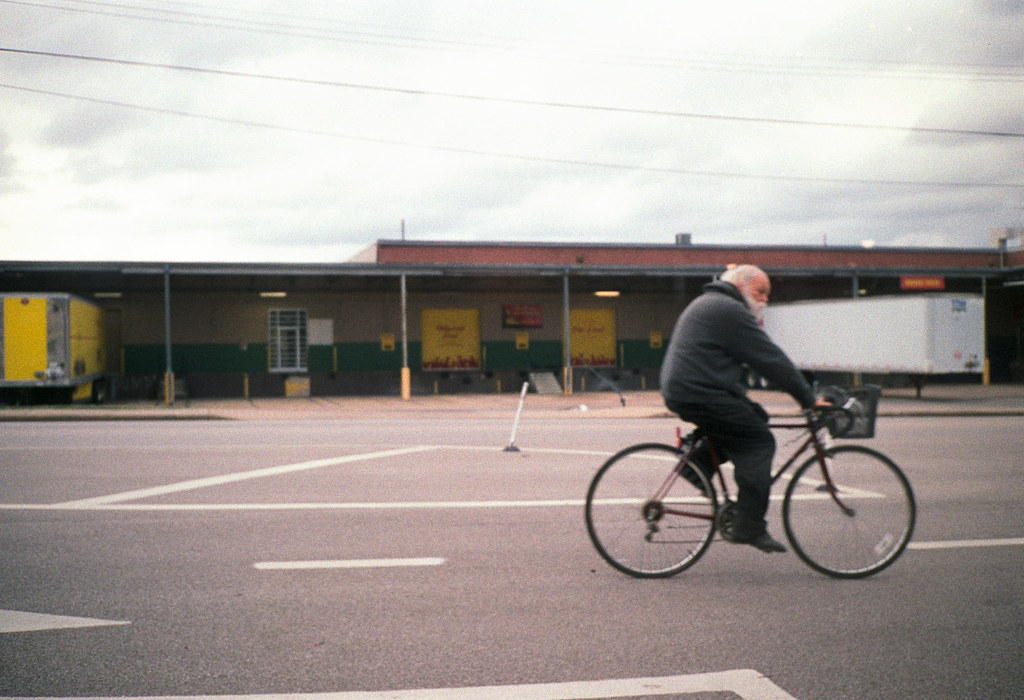
Photo source: openverse, Flickr
Cycling is low impact, which means it goes easy on your knees and hips compared to activities like running. It strengthens your legs and core, gets your heart pumping, and gives you a reason to get outside.
Some research even suggests regular cycling supports brain health and mood, not just physical fitness. But none of that matters much if the bike itself feels wobbly, heavy, or uncomfortable. The right bike makes the difference between a hobby you stick with and one you give up on after a single ride.
What Actually Matters When Choosing a Bike Later in Life
Start With How You’ll Actually Use It
Before you think about brands or styles, think about your rides. Are you picturing easy loops around the neighbourhood? Longer rides on paved trails? Running errands and carrying a few bags home? Your answer points you toward a category of bike, and it’s a more useful starting point than shopping by what looks nice in a catalogue.
Casual neighbourhood rides usually call for a cruiser. Relaxed, upright, comfortable.
Longer rides or varied terrain are where hybrid bikes shine, since they blend road bike efficiency with mountain bike sturdiness.
Errands and hauling groceries are easier on a bike with a rear rack or basket or a sturdy trike.
Balance concerns are often solved nicely by a tricycle, since the third wheel removes the need to balance at all.
The Frame: Look for a Step-Through Design
This might be the single most important feature for comfort and safety. A step-through (sometimes called a low-step or open) frame skips the top tube that runs across a traditional bike. That means you can simply step over the frame instead of swinging a leg up and over a bar.
If getting on and off a regular bike has started to feel like a small gymnastics routine, a step-through frame solves that. And despite how it looks, it isn’t a weaker or less stable design. Properly designed step-through frames offer the same stability and strength as traditional diamond frames, so you’re not giving anything up for the convenience.
Weight Matters More Than You’d Think
A lighter bike is easier to lift onto a car rack, easier to manoeuvre in a garage, and easier to control at low speeds. Aluminium frames tend to hit the sweet spot here. They’re light without being fragile, and they cost a lot less than carbon fibre. Unless you have a specific reason to go with carbon, aluminium is the practical choice for most riders.
Gears: More Isn’t Always Better
It’s tempting to assume a bike with more gears is automatically the better bike. In practice, what matters is matching your gearing to where you actually ride. If your routes are flat and short, a simple 7-speed setup is plenty, and it’s also easier to maintain. If your neighbourhood has hills or you’re hoping to take on longer rides, a wider gear range gives you an easier pedal when the road tilts up.
The one setup to think twice about is a single-speed bike. They’re low maintenance, but one gear means you’re stuck climbing hills the hard way, which can strain your knees over time.
Brakes You Can Actually Use
Stopping power matters at any age, but grip strength and hand dexterity can change over the years, and that’s worth factoring in. Linear-pull brakes and disc brakes both stop a bike reliably, but hydraulic disc brakes need noticeably less hand force to engage while still stopping just as well, even in wet weather. If your hands tire easily or you’ve noticed less grip strength than you used to have, ask specifically about hydraulic disc brakes when you’re shopping.
Tyres and Stability
Wider tyres aren’t just about comfort, though they do soak up bumps and cracks in the road nicely. They also widen your contact with the ground, which adds real stability at slower speeds. That stability is especially welcome if you’re newer to riding again or riding on uneven pavement.
Wheel size is a smaller decision but worth knowing about. Smaller wheels, around 26 inches, tend to feel sturdy and confidence-inspiring at lower speeds, which is part of why so many comfort cruisers use them.
The Real Goal Here
There’s no single “best” bike for seniors, despite what plenty of headlines might promise. The best bike is the one that gets you outside regularly, feels safe under you, and makes you want to ride again tomorrow. Take your time, test ride more than one option, and don’t be shy about asking a shop employee to adjust the fit. A bike that’s properly fitted to you will feel like a completely different machine than one that’s just “close enough.”
Biking for seniors isn’t about reliving your younger years. It’s about building something new: a little more freedom, a little more fresh air, and a routine that’s genuinely good for your body and your mood. The right bike just makes that easier to enjoy.