Hiking Safety Measures for Seniors

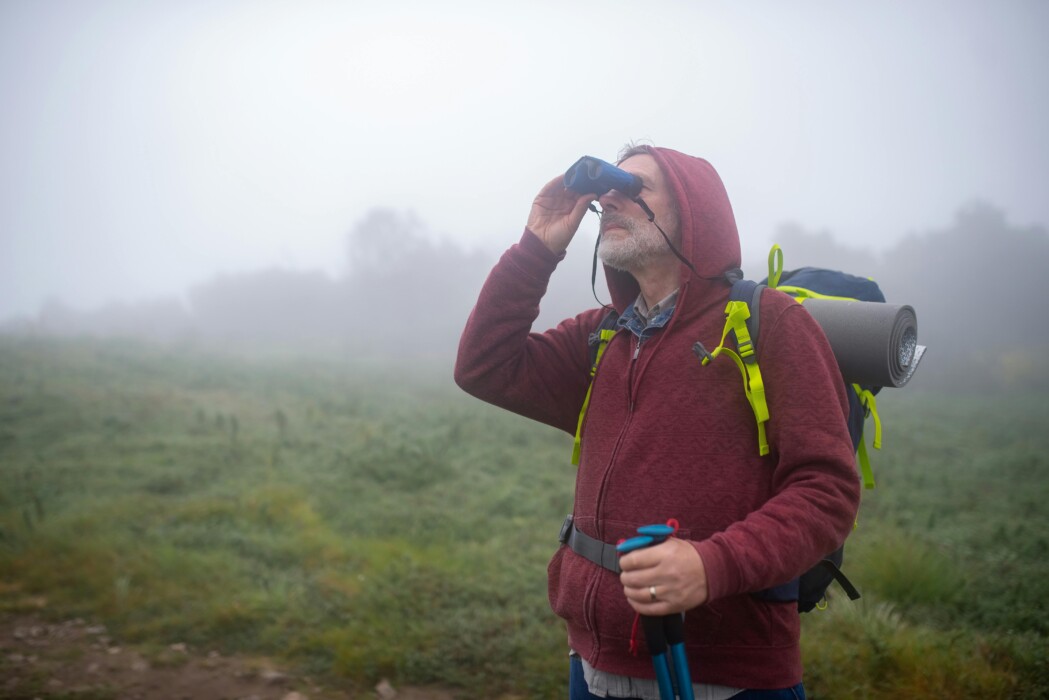
Photo source: Pexels
While hiking is an excellent way for older adults to maintain physical activity, it can also pose some risks and challenges, particularly for those who are inexperienced or have health issues related to ageing.
That’s why seniors should implement additional precautions before heading out on the trails. Here are some of them:
Hiking Safety Tips for Older Adults
Consult a Doctor First
Consult a doctor before hiking to assess fitness levels, especially with conditions like joint issues, heart problems, or balance concerns that could worsen on trails. This step ensures any medications, limitations, or necessary adjustments are addressed, preventing health emergencies during activity.
Choose Easy Trails
Select well-maintained, senior-friendly trails with gentle slopes, even surfaces, and minimal obstacles to reduce fall risks and build stamina gradually. Research paths with shade, rest areas, and accessibility for mobility aids, avoiding steep or rocky routes until confidence grows.
Pace Yourself and Take Breaks
Hike at a comfortable speed, take frequent breaks to rest, stretch, and monitor fatigue. Stop if dizziness or pain occurs. It’s okay to turn back early to prioritise safety over reaching the endpoint.
Hike with a Buddy
Always hike with a companion or group for mutual support, shared awareness of surroundings, and quicker response to issues like falls or getting lost. Buddies offer encouragement, help navigate, and ensure someone can seek aid if needed.
Pack senior hiking essentials
Remember to gather essential items before starting your senior hiking adventure. These can include high-quality hiking boots or shoes, water, snacks, emergency tools, and a first-aid kit.
By following the hiking safety measures mentioned above, we can make hiking a wonderful way to stay active and connected with the environment at any age.